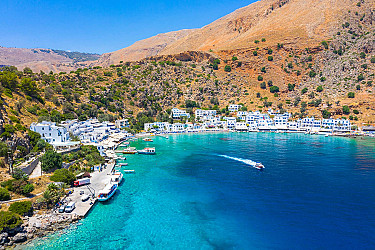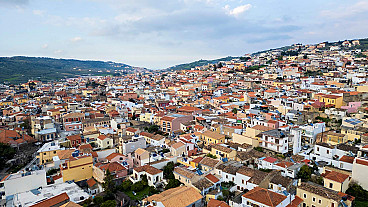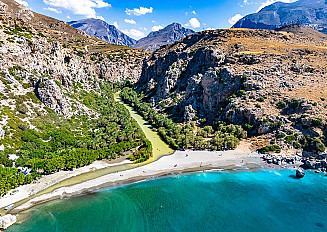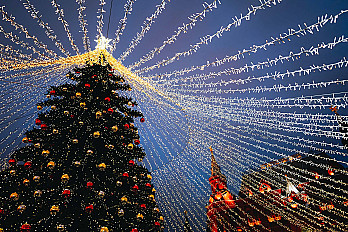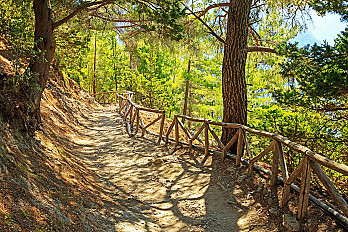
Christmas in Crete unfolds with a unique charm that blends centuries-old customs, deep-rooted spirituality, and a festive spirit shaped by village life. Unlike the highly commercialized celebrations seen elsewhere, the Cretan holiday season feels grounded in togetherness and tradition. The island’s mountainous landscapes, stone-built homes, and vibrant village squares become the backdrop for a celebration that carries echoes of the past.
The season begins long before Christmas Day, with preparations that revolve around food, family, and faith. Homes fill with the scent of freshly baked kalitsounia, honey-soaked melomakarona, and crunchy kourabiedes. Women often gather in kitchens for hours, exchanging stories as they shape dough and prepare festive meals. In many villages, families still bake bread in outdoor wood-fired ovens, turning what might be a simple chore into an opportunity for neighbors to reconnect and share warmth as winter settles across the island.
Perhaps the most symbolic of Cretan Christmas foods is the Christopsomo, or “Christ’s bread.” This beautifully decorated loaf is prepared with great care, often adorned with intricate designs representing prosperity, family, and blessings for the new year. Each household has its own version, passed down through the generations like a culinary heirloom. The bread is blessed before being cut, reminding everyone at the table of the spiritual roots of the season and the importance of gratitude.
Christmas Eve in Crete carries its own magic, shaped by old tales and village customs. Traditionally, children would walk door to door singing kalanda—Cretan Christmas carols—accompanied by small metal triangles or lyres. These carols, some with origins that stretch back to Byzantine times, fill the streets with music as villagers offer sweets, coins, or dried fruits to the young singers. Many families also attend the midnight liturgy, a deeply significant moment that highlights the island’s strong connection to Orthodox Christian faith.
Another tradition deeply woven into Cretan celebrations is the belief in the kallikantzaroi—mischievous goblin-like creatures said to appear during the twelve days of Christmas. Folklore describes them as playful troublemakers who sneak into homes to cause minor chaos. To keep them at bay, families used to burn a special piece of wood in the hearth or mark their doors with a cross. While these beliefs are now more symbolic than literal, they continue to enrich the holiday atmosphere with a sense of wonder and storytelling.
As the season concludes with Epiphany on January 6th, Crete shifts from festive gatherings to spiritual celebration. The Blessing of the Waters takes place in harbors, rivers, and seaside villages, where priests toss a cross into the water and brave swimmers dive to retrieve it—a ritual symbolizing purification and renewal. It is a dramatic and moving sight, capturing the island’s deep bond with both tradition and the sea. Together, these customs create a Christmas season in Crete that is heartfelt, distinctive, and shaped by the enduring rhythms of island life.