The island of Crete, the largest in Greece, is often celebrated for its beaches and ancient history, but its forests are equally remarkable. Spread across rugged mountain ranges, deep gorges, and fertile plains, these woodlands form a patchwork of ecosystems shaped by millennia of climate, geology, and human influence. Each region offers a distinct glimpse into the island’s natural richness, making Crete a haven for biodiversity lovers.
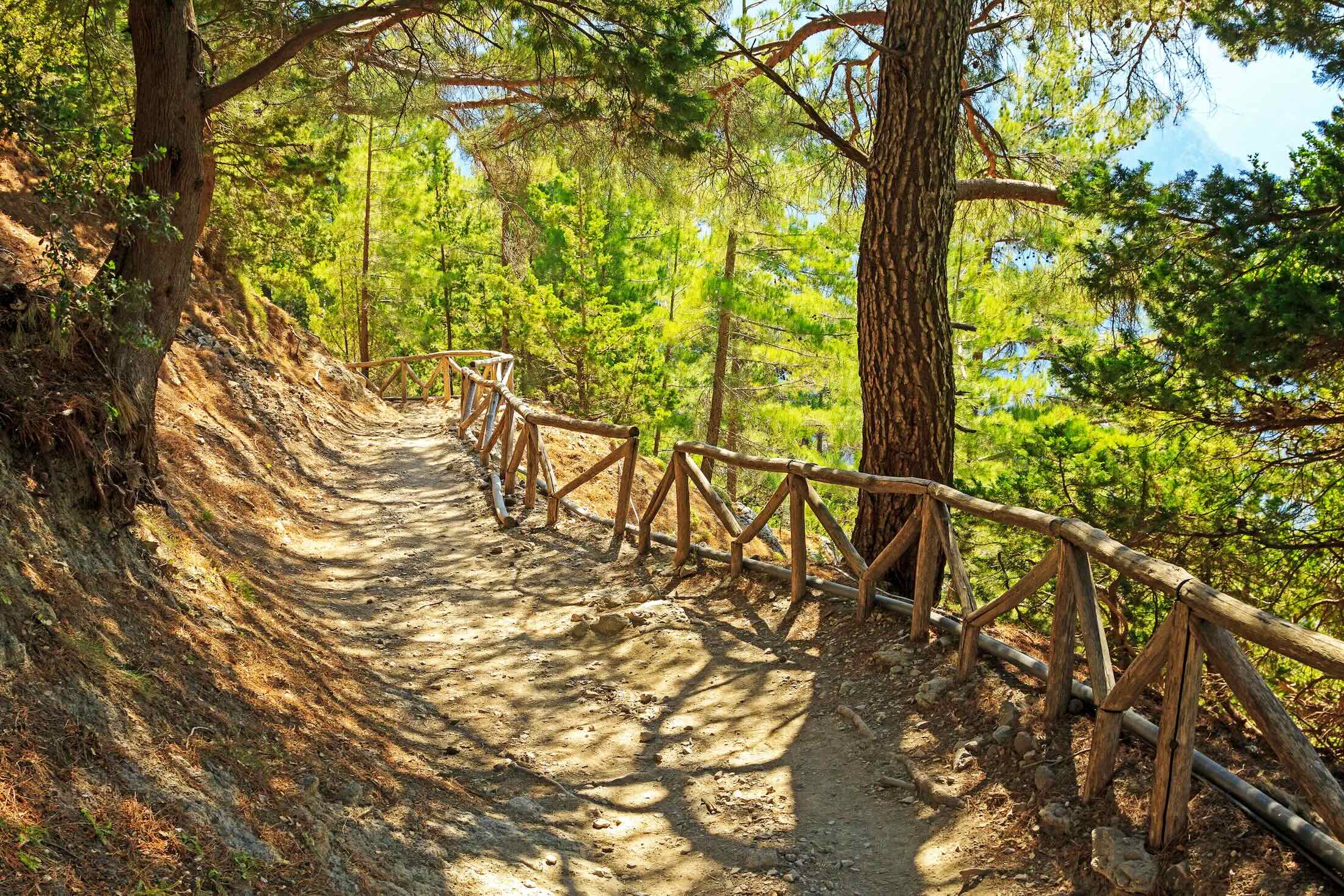
One of the most emblematic forest types of Crete is the pine and cypress woodlands that blanket the slopes of the White Mountains (Lefka Ori). These forests, dominated by the endemic Cretan cypress (Cupressus sempervirens var. horizontalis), create a dramatic backdrop for mountain villages and hiking trails. Their resilience is impressive—they cling to steep cliffsides and thrive in dry Mediterranean conditions, providing essential habitat for birds like the griffon vulture.
Moving eastward, the Dikti and Psiloritis mountain ranges shelter dense oak forests, some featuring the rare Cretan zelkova (Zelkova abelicea), a relic species found nowhere else on Earth. These forests feel ancient and almost mystical, especially in the higher altitudes where mist often settles among twisted trunks and mossy stones. Walks through these areas reveal a quieter, cooler side of Crete, far removed from the coastal bustle.
Crete is also home to lush, river-fed forests found in gorges and valleys, such as the renowned Samaria Gorge and Richtis Gorge. Here, plane trees, willows, and oleanders thrive along rushing streams, creating vibrant green tunnels that stand in striking contrast to the surrounding arid landscapes. These riparian forests support a wide range of wildlife and offer some of the island’s most enchanting hiking experiences.
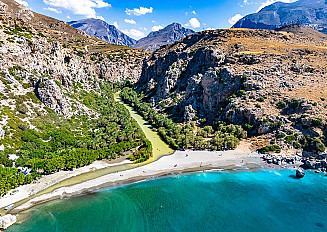
Lastly, the palm forests of Crete add a tropical flair not found elsewhere in Greece. The Vai Palm Forest on the eastern coast, made up of the native Cretan date palm (Phoenix theophrasti), is one of Europe’s only natural palm groves. Its combination of beach, forest, and crystal-clear waters forms a truly unique ecosystem. Together, these diverse forests show that Crete is far more than sun and sea—it is a living mosaic of environments waiting to be explored.