Clean Monday, known in Greek as Kathara Deftera, marks the beginning of Lent for the Greek Orthodox Church and is one of the most beloved celebrations across Greece.
On the island of Crete, Clean Monday is more than just a religious observance—it is a joyful cultural experience rooted in centuries-old customs, community gatherings, and the island’s deep connection to nature. Falling 48 days before Greek Orthodox Easter, this special day signals a time of spiritual cleansing, reflection, and a shift toward simpler living.
In Crete, Clean Monday begins with church services that emphasize forgiveness and renewal. The faithful attend liturgy and often participate in the tradition of asking loved ones for forgiveness, symbolizing a fresh spiritual start. The spirit of the day is not somber but hopeful. After the service, families and friends gather outdoors to celebrate the beginning of Lent with laughter, music, and abundant fasting foods. The emphasis is on both inner purification and shared joy.
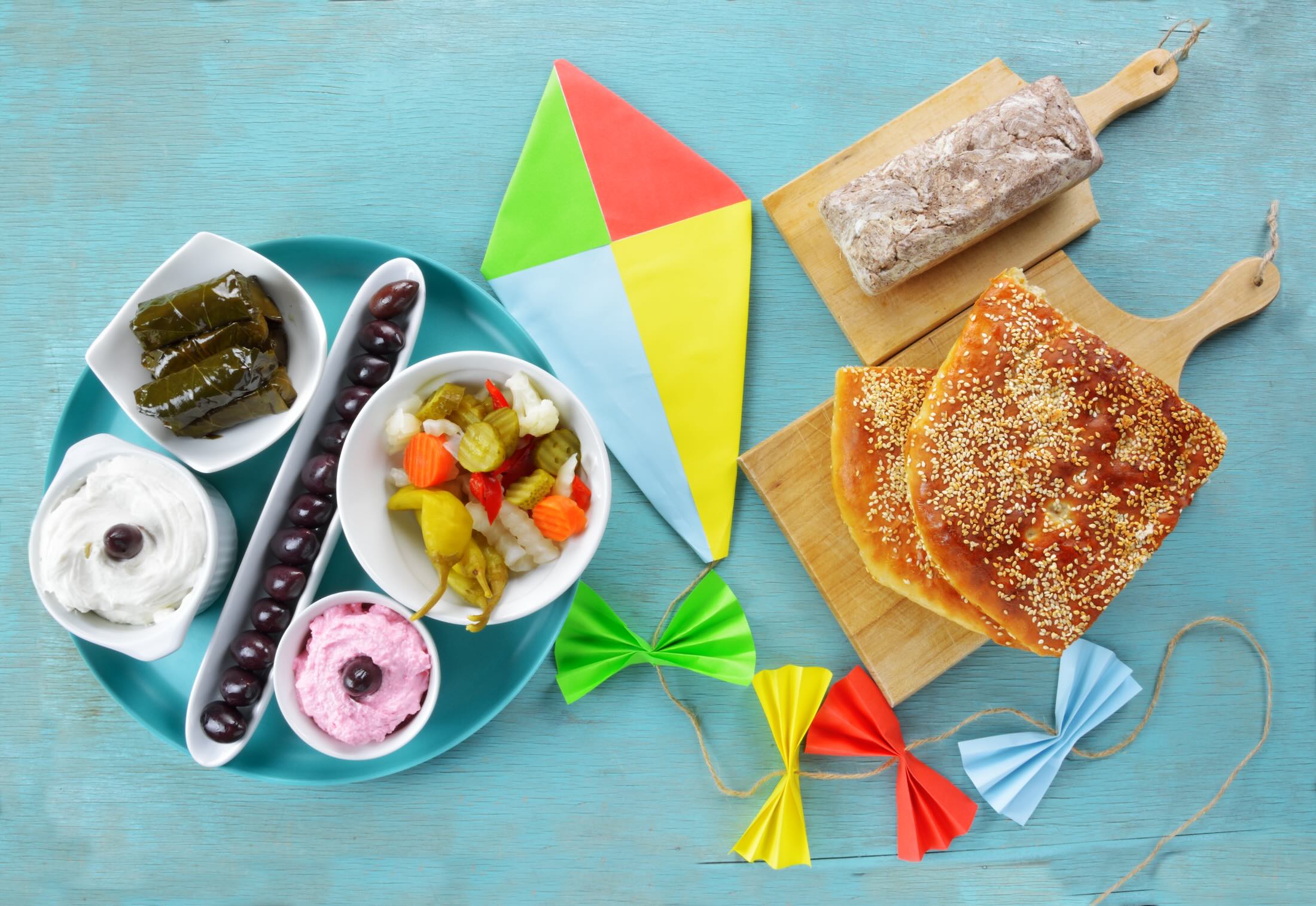
Food plays a central role in Clean Monday festivities, and Crete’s culinary traditions shine brightly. The table is filled with lagana (a special unleavened flatbread baked only for this day), olives, pickled vegetables, fresh tomatoes, cucumbers, and generous portions of taramosalata (a creamy fish roe dip). Seafood such as octopus, squid, and shellfish is commonly enjoyed, as meat and dairy products are avoided during Lent. In true Cretan fashion, local wine and raki accompany the meal, turning the occasion into a lively outdoor picnic.
One of the most colorful customs of Clean Monday in Crete is kite flying. Families head to open fields, hillsides, and beaches where the island’s steady winds provide perfect conditions for kites to soar high into the sky. Children run across the landscape with brightly colored kites, while adults cheer and reminisce about their own childhood celebrations. The kite symbolizes the soul rising toward heaven and the uplifting spirit of the Lenten season.
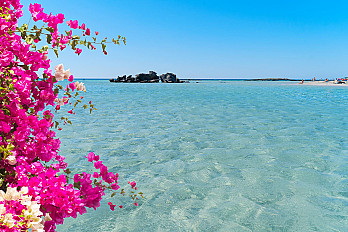
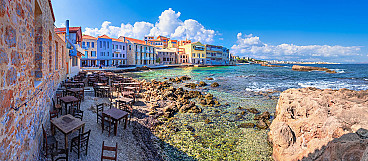
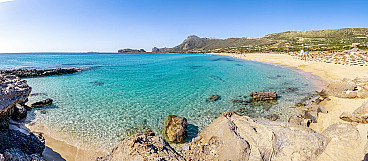
Nature itself becomes part of the celebration. In cities like Heraklion and Chania, as well as in small mountain villages, people escape to the countryside for the day. Beaches, olive groves, and rolling hills fill with groups spreading blankets and sharing food. Music—often traditional Cretan lyra—can be heard echoing through the air. The island’s mild late-winter climate makes it ideal for these outdoor gatherings, reinforcing the sense of renewal that defines the day.
Ultimately, Clean Monday in Crete is a celebration of balance: faith and festivity, simplicity and abundance, reflection and community. It marks the beginning of a spiritual journey toward Easter, but it also honors the island’s enduring love of family, food, and the natural world. For visitors, experiencing Clean Monday in Crete offers a unique window into authentic local life—where tradition is not just remembered, but joyfully lived.