Few writers have managed to capture the essence of a land and its people as powerfully as Nikos Kazantzakis, one of Greece’s most celebrated literary figures. Born in Heraklion, Crete in 1883, Kazantzakis carried the spirit of his island throughout his life — in his writing, his philosophy, and his restless pursuit of meaning. To understand Kazantzakis is, in many ways, to understand Crete itself: proud, untamed, and endlessly searching.
A Cretan Childhood
Kazantzakis was born during a turbulent time in Crete’s history, when the island was still under Ottoman rule and yearning for freedom. These early years of struggle and resilience shaped his worldview. The fierce independence and moral strength of the Cretan people became a recurring theme in his work, reflected in his characters’ unyielding courage and moral dilemmas.
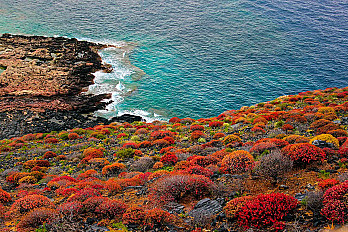
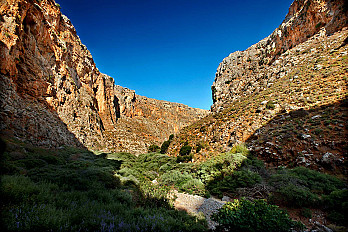
His family’s home in Heraklion stood close to the sea — a constant reminder of both freedom and exile. The Cretan landscape, with its rugged mountains and bright, relentless sun, became the backdrop of his imagination. In his novels, nature is not just scenery; it is a living force, mirroring the soul’s inner storms.
Crete in His Works
Kazantzakis’ most famous works are deeply rooted in Cretan soil. “Zorba the Greek” (1946) captures the island’s vitality through the unforgettable figure of Alexis Zorba — a man who lives life with unrestrained passion and freedom. The novel’s setting, a Cretan village by the sea, embodies the contrast between the intellectual and the instinctive, between reflection and action — a duality that Kazantzakis himself struggled with.
In “Freedom or Death” (originally Captain Michalis, 1950), Kazantzakis turns his attention directly to Crete’s bloody uprisings against Ottoman rule. The novel is a hymn to Cretan bravery and independence, portraying men and women who would rather die than live without freedom. It is both historical and existential — a reflection of Crete’s battles and Kazantzakis’ own inner wars.
Philosophy Born of the Island
Crete was not only Kazantzakis’ birthplace but also his lifelong teacher. The island’s mixture of harshness and beauty inspired his belief in struggle as the essence of existence. In his monumental work “The Saviors of God: Spiritual Exercises”, he writes, “We come from a dark abyss, we end in a dark abyss, and we call the luminous interval life.” This philosophy — rooted in the Cretan acceptance of hardship and defiance in the face of death — became central to his worldview.
Legacy and Return
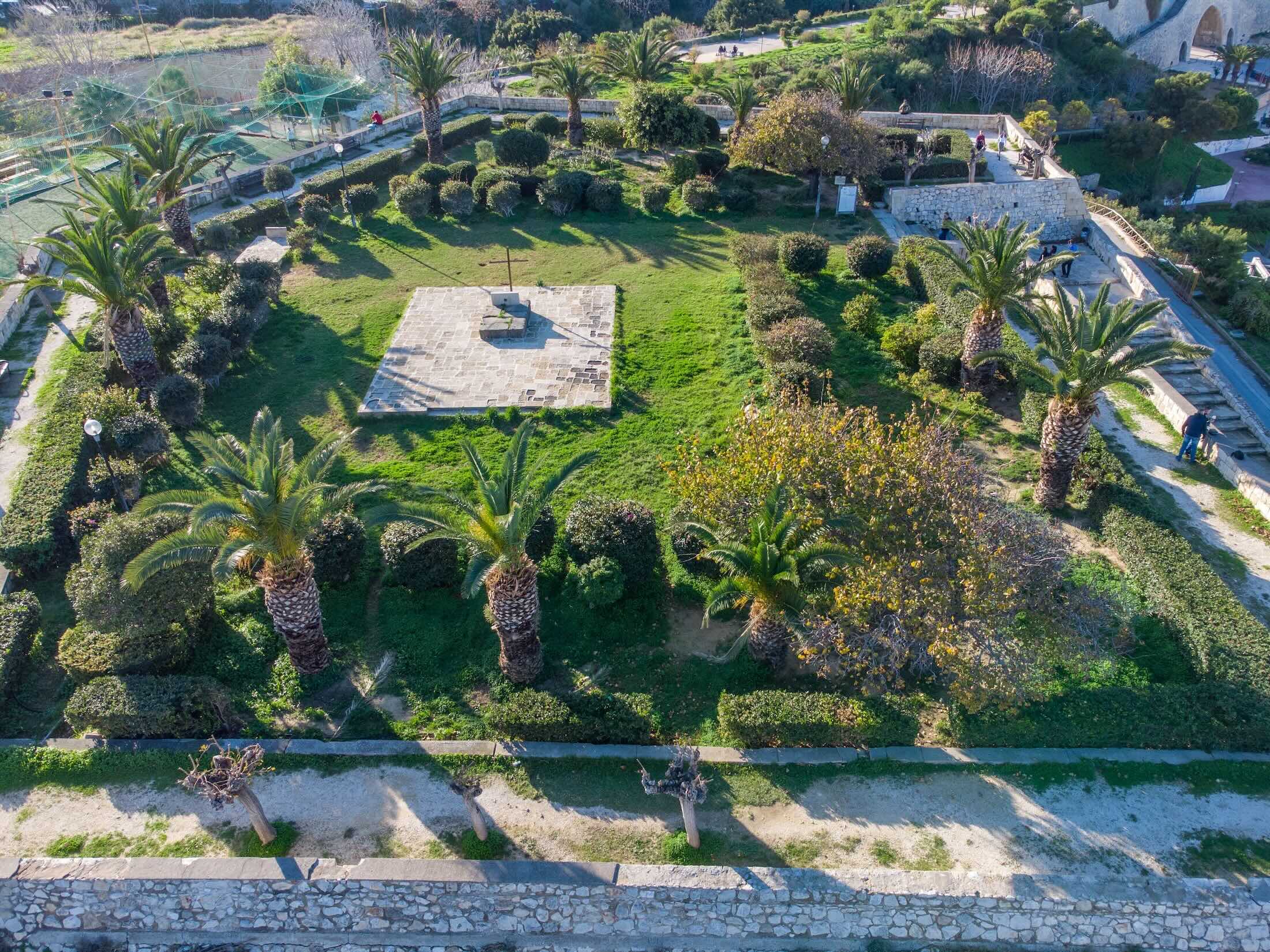
Kazantzakis traveled the world — from Mount Athos to Russia, from Paris to China — yet Crete remained his spiritual home. When he died in 1957, his body was brought back to Heraklion. Today, he rests on the Martinengo Bastion, one of the old Venetian fortifications that overlook his beloved city. His tomb bears his famous epitaph:
“I hope for nothing. I fear nothing. I am free.”
Those words encapsulate not only Kazantzakis’ personal creed but also the soul of Crete — fierce, free, and eternal.
There is also the Nikos Kazantzakis Museum, located in the village of Myrtia (also called Varvari), about 15 km south of Heraklion, Crete. Myrtia was Kazantzakis’s father’s village, and though the writer was born in Heraklion, this house and area were central to his family and childhood visits. The museum was established by George Anemogiannis, a close friend of Kazantzakis, to honor the writer’s life and work.
Together, the museum in Myrtia and the tomb in Heraklion form a kind of pilgrimage route for anyone who wants to understand Kazantzakis’s Cretan roots and philosophy.