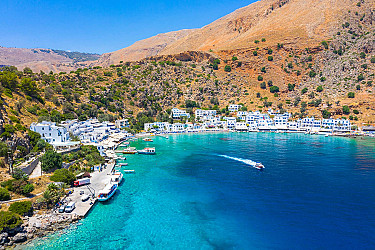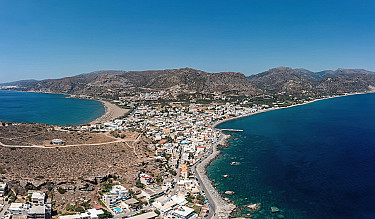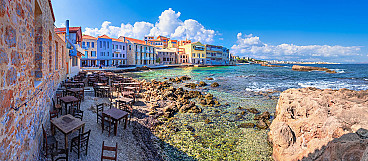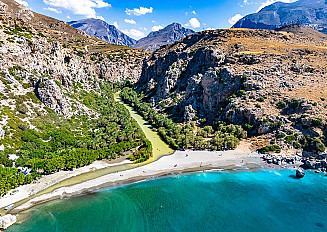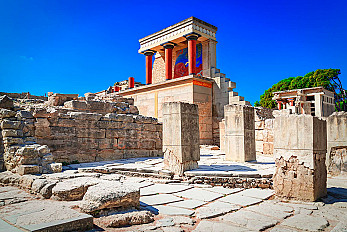
Crete, the largest of the Greek islands, is not only famous for its breathtaking landscapes and ancient history but also for its long-standing tradition of winemaking. Wine has been part of Cretan life since the time of the Minoans, over 4,000 years ago, and today the island continues to produce some of Greece’s most distinctive and celebrated wines.
1. Cultivating the Vineyards
The process begins in the vineyards that stretch across the sun-soaked hills and fertile valleys of Crete. The island’s Mediterranean climate—long, hot summers balanced by cooling sea breezes and mild winters—creates ideal growing conditions. Traditional indigenous grape varieties such as Vidiano, Vilana, Kotsifali, and Liatiko thrive here, alongside international varieties.
Viticulture in Crete is often practiced with respect for nature, drawing on sustainable methods. Many growers prune vines by hand and allow natural ground cover to protect the soil. The rugged terrain also means much of the work is still done manually, keeping the connection between people and the land very direct.
2. The September Harvest
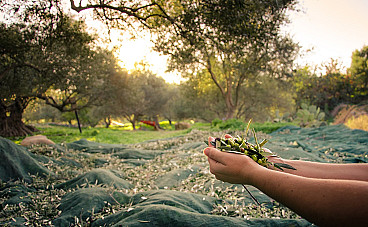
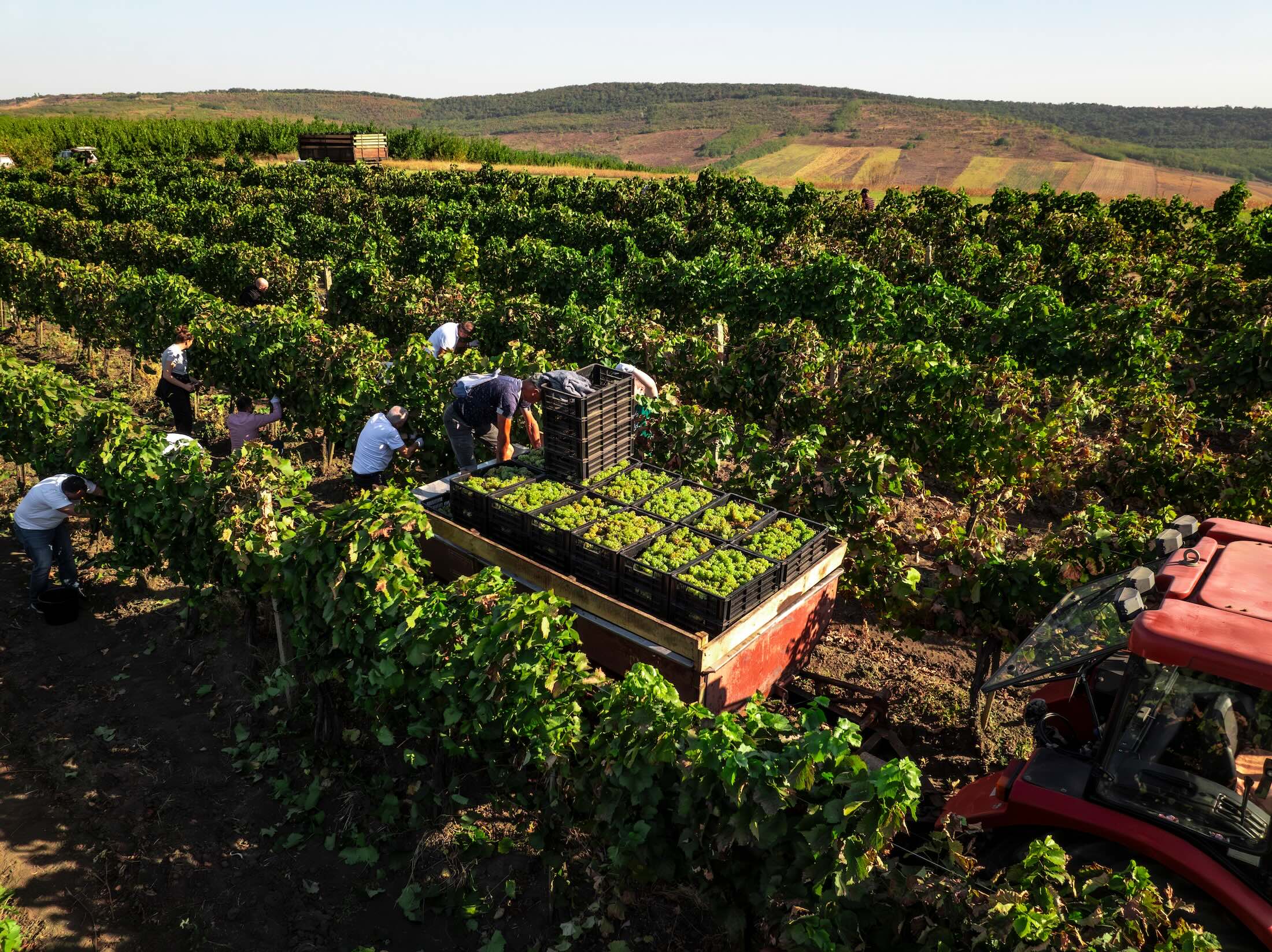
For Cretans, September is a month of anticipation and celebration—it marks the height of the grape harvest. While some early varieties may be gathered in late August, most vineyards across the island are alive with activity throughout September. Families and workers rise before dawn to pick the grapes by hand, filling baskets and crates under the warm Mediterranean sun.
The harvest is more than just agricultural work; it is a cultural event. Villages often celebrate with festivals, music, and of course, the first tastes of freshly pressed juice or must, which will soon become wine. Visitors in Crete during September can often join harvest festivities, experiencing firsthand the strong sense of community and tradition that surrounds winemaking on the island.
3. Crushing and Fermentation
Once harvested, the grapes are taken to the winery where the real transformation begins. In the past, Cretans would stomp the grapes by foot in large stone or wooden presses, a practice that still survives in some traditional households. Modern wineries, however, use stainless steel presses and tanks for greater control.
Fermentation takes place as the natural sugars in the grapes are converted into alcohol by yeast. Temperature control during this stage is crucial to preserving the aromatic qualities of the indigenous Cretan varieties. Some wines are fermented in stainless steel to maintain freshness, while others may be aged in oak barrels for more complexity.
4. Aging and Maturation
After fermentation, the wine is clarified and matured. Depending on the style, this might mean a short resting period for young, vibrant whites, or longer aging in oak barrels and bottles for robust reds. For centuries, clay jars called pithoi were used to store and age wine—a reminder of Crete’s ancient winemaking roots.
5. Bottling and Celebration
Finally, the wine is bottled and shared. In Crete, wine is rarely just a drink; it is a symbol of hospitality. Whether served at a family table, a wedding feast, or a village festival, wine is an expression of generosity and connection.
A Living Tradition
The process of making wine in Crete is as much about culture and community as it is about agriculture and fermentation. Each bottle carries with it the island’s history, its rugged landscapes, and the warmth of its people. To taste Cretan wine is to take part in a tradition that has been nurtured for millennia—a journey from vine to glass, crafted under the Mediterranean sun.