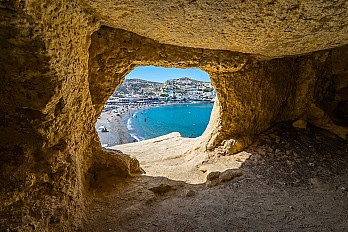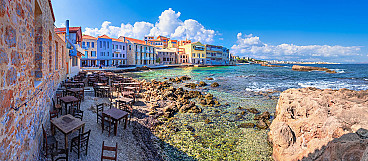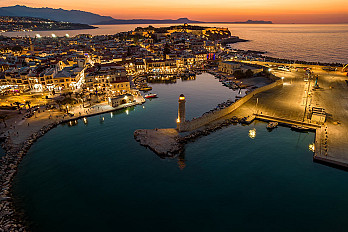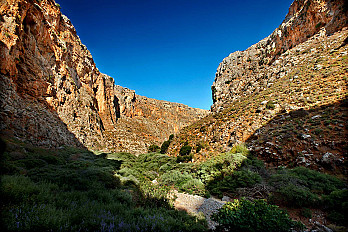
The Minoan civilization, often considered Europe’s first advanced society, thrived on the island of Crete between 3000 and 1100 BCE. Named after the mythical King Minos, it stood out for its impressive achievements in art, architecture, trade, and culture. Flourishing in the Bronze Age, the Minoans laid the foundations for many aspects of later Greek civilization, leaving behind a legacy that still fascinates historians and travelers today.
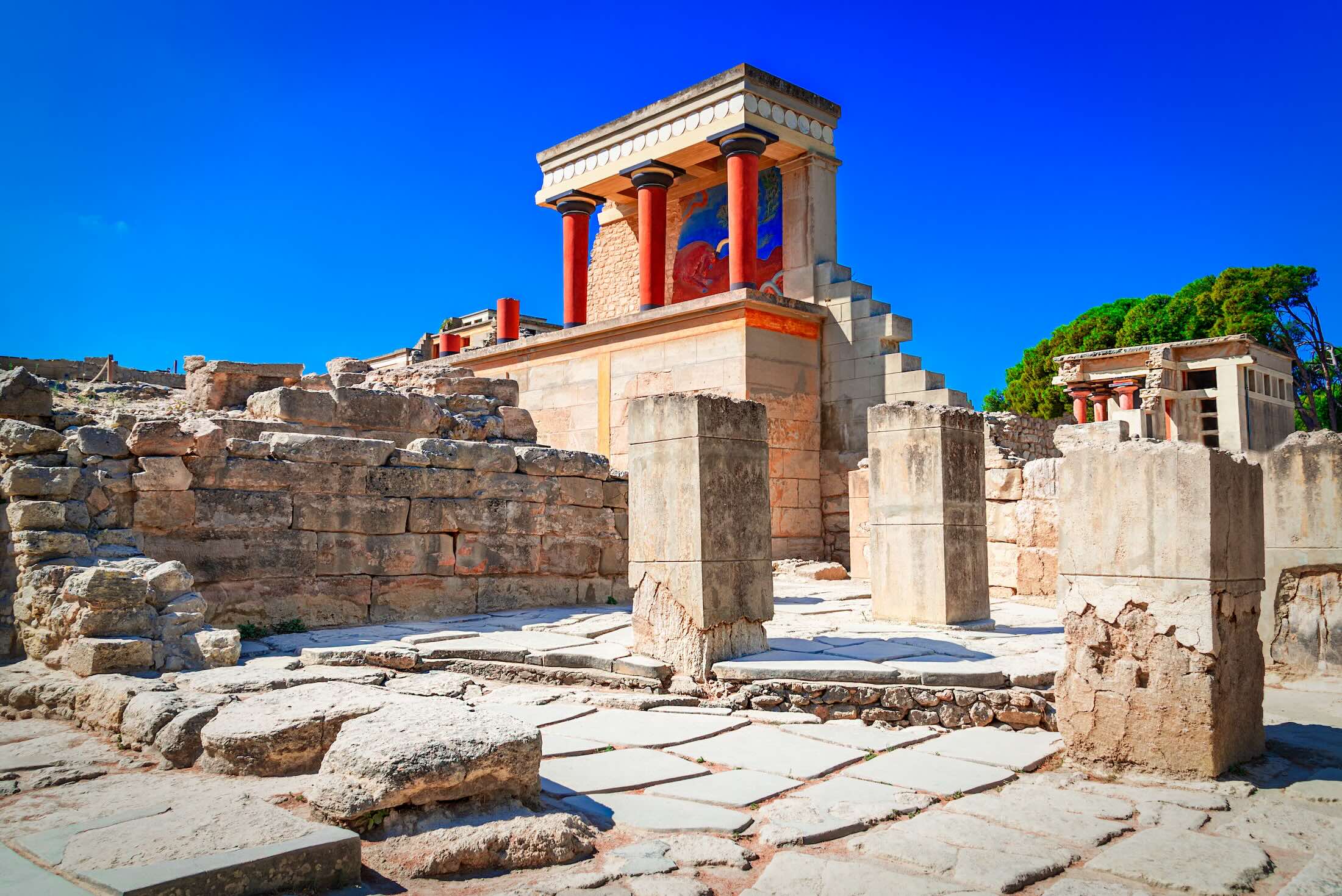
At the heart of Minoan life were the palaces, with Knossos being the most famous. These grand complexes were not only political centers but also hubs of commerce and culture. Decorated with colorful frescoes depicting nature, festivals, and marine life, the palaces reveal how deeply art and beauty were woven into everyday life. Unlike many other ancient societies, Minoan architecture favored open courtyards, light wells, and advanced plumbing systems, which speak to their ingenuity and emphasis on communal living.
Trade was another cornerstone of Minoan success. Blessed with Crete’s strategic position in the Mediterranean, the Minoans built a powerful maritime network, exchanging goods like pottery, olive oil, and textiles with Egypt, the Near East, and mainland Greece. This constant exchange not only boosted their economy but also enriched their culture, as foreign influences blended with local traditions to create a unique, cosmopolitan society.
Religion played a vital role in Minoan life, with worship often centered around goddesses, sacred animals, and natural symbols such as the bull and the double axe (labrys). Rituals, dances, and ceremonies were believed to connect the people to the divine, and some scholars link these practices to myths like that of the Minotaur and the Labyrinth. The prominence of women in religious art also suggests that Minoan society may have been more egalitarian than many of its contemporaries.
The decline of the Minoan civilization remains a subject of debate. Around 1450 BCE, many palaces were destroyed, possibly due to natural disasters like earthquakes or the massive volcanic eruption on nearby Santorini. Later, the rising Mycenaean civilization from mainland Greece took over Crete. Despite its fall, the Minoan world lived on through myth, art, and archaeological treasures, reminding us of a society that celebrated creativity, trade, and life by the sea.